Integrations, Automation & AI
WhatsApp, payments, PDFs, webhooks and AI assistants — wired in reliably, not bolted on.
The integrations that run a business: WhatsApp Business API and Telegram bots, Indian payment gateways, webhooks, Gotenberg-generated PDFs, CRM syncs, realtime sockets, and AI chatbots that answer from your own data — idempotent and observable.
Integrations fail in predictable ways: duplicate webhooks, timeouts, expired tokens, and partial writes. I design for those cases up front with idempotency keys, retries with backoff, and dead-letter queues.
Whether it is collecting payments, sending WhatsApp notifications, generating invoices as PDFs, or syncing a CRM, the work runs on queues and workers so a slow third party never takes your app down with it.
AI assistants are built the same way: the model calls well-defined functions to fetch live data from your system (orders, bookings, account status) with the user's permissions, and answers document questions through retrieval over your own content (RAG), citing the source it used.
Capabilities
What's included
- 01
WhatsApp Business API and Telegram bots for notifications, support, and workflows
- 02
Indian payment gateways with verified webhooks, idempotency, and reconciliation
- 03
PDF generation with Gotenberg for invoices, reports, and contracts
- 04
CRM, ERP, and third-party API syncs with retries and reconciliation
- 05
Realtime events over WebSockets / Socket.IO
- 06
Redis-backed queues and workers for scheduled and long-running jobs
- 07
AI chatbots and agents with function calling to fetch live data from your APIs
- 08
RAG over your documents and knowledge base, with answers that cite their source
Fit
Who it's for
- Businesses running operations over WhatsApp who need it automated and auditable
- Products adding payments, subscriptions, or payouts
- Teams generating invoices, statements, or contracts by hand
- Platforms whose integrations break silently or double-process events
- Teams that want a support or sales assistant answering from their own data
Deliverables
What you get
- Integration design covering failure modes, retries, and idempotency
- Production integrations with signed webhook verification
- Queue and worker setup with monitoring and dead-letter handling
- Admin views or logs to trace each message, payment, and document
- Runbook for rotating credentials and replaying failed events
Process
How we work
- Step 1
Discovery
A working session on goals, users, constraints, and existing systems. You get a written scope, open questions, and a clear recommendation on what to build first.
- Step 2
Architecture
Data model, service boundaries, auth, async work, and infrastructure are designed up front and shared as a short architecture document before any code is written.
- Step 3
Build
Milestone-based delivery with a staging environment from week one, regular demos, and code in your repository — not a black box handed over at the end.
- Step 4
Launch
Production deployment with CI/CD, monitoring, backups, and a rollback path. Launch is rehearsed on staging so release day is uneventful.
- Step 5
Support
Post-launch stabilisation, then an optional monthly retainer for features, upgrades, and on-call fixes. Handover docs are included either way.
Proof
Related work
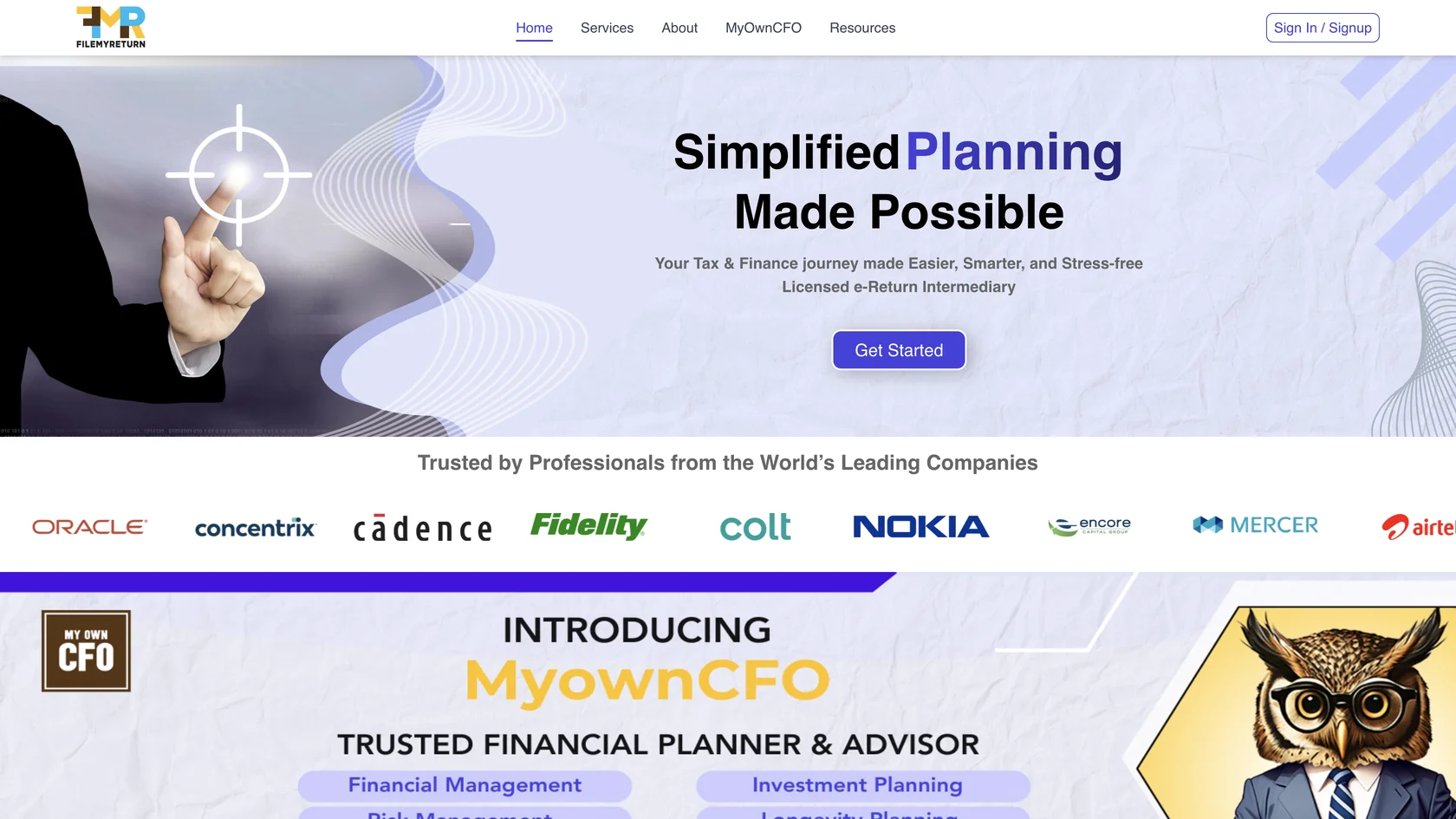
FileMyReturn
Tax filing platform for a licensed e-Return Intermediary, built for peak load at India's ITR deadlines.
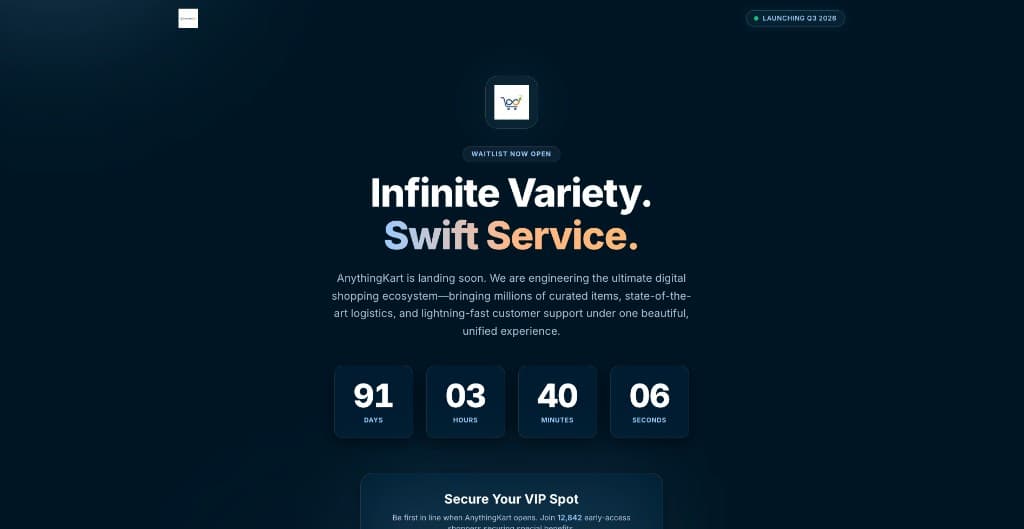
AnythingKart
Founder venture — multi-category e-commerce marketplace. App live, marketplace in progress.
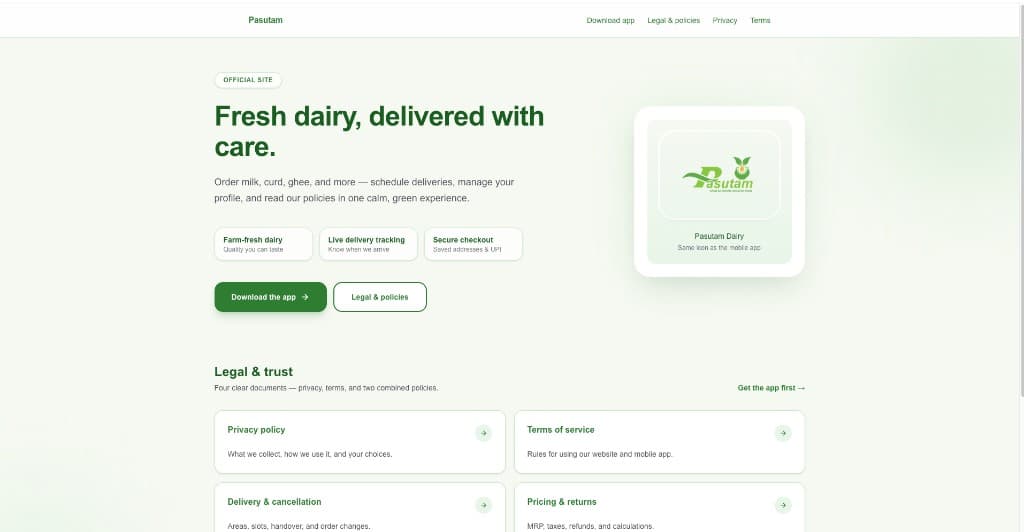
Pasutam Dairy
Dairy delivery app for Pasutam Farm — scheduling, order tracking and UPI checkout on Android and iOS.
FAQ
Common questions
Something else? Ask directly.
Can you automate our WhatsApp notifications and customer messages?
Yes, using the official WhatsApp Business API: template messages, order and payment updates, OTPs, and two-way conversations routed into your system — with logs of every message sent.
Which payment gateways do you work with?
Indian payment gateways for one-time payments, subscriptions, and payouts. Every integration verifies webhook signatures, uses idempotency keys, and reconciles against the gateway so a payment is never recorded twice or missed.
What is Gotenberg and why use it for PDFs?
Gotenberg is a self-hosted service that renders HTML into pixel-accurate PDFs. It lets invoices, reports, and contracts be designed as regular web templates and generated reliably in background jobs.
What happens when a third-party API is down?
Work runs through Redis queues with retries and exponential backoff. Jobs that keep failing move to a dead-letter queue and raise an alert, so nothing is silently lost and events can be replayed.
Can you build an AI chatbot that uses our own data?
Yes. For live data such as orders, bookings or account status, the assistant calls functions on your API with the user's permissions instead of guessing. For documents and policies, it uses retrieval (RAG) over your content and cites the source. Both run with logging, rate limits and a fallback to a human.
Can you add integrations to a system you did not build?
Yes, after a short review of the codebase. If the existing structure makes an integration fragile, you get a clear note on what needs changing first.
Also available
Other services
- Custom Web Platforms & SaaSPortals, dashboards, and multi-tenant SaaS — system-designed from day one.
- Mobile AppsReact Native apps for iOS and Android that work offline and ship to the stores.
- Cloud, DevOps & ScalingDeploy it, watch it, and keep it fast under real load — on AWS, GCP, DigitalOcean, or a VPS.
- System Design & Technical LeadershipArchitecture reviews, scaling plans, and fractional CTO support for startups.
Have something to build?
Tell me what you are building and where it is stuck. You will get a straight answer on approach, timeline, and whether I am the right fit — rates are discussed once the scope is clear.
India · UAE (Dubai) · remote-friendly